Aligners vs. braces
While both options straighten teeth and correct bites, clear aligners are becoming more popular due to their discreet appearance, comfort, and flexibility in daily life, without compromising treatment results.
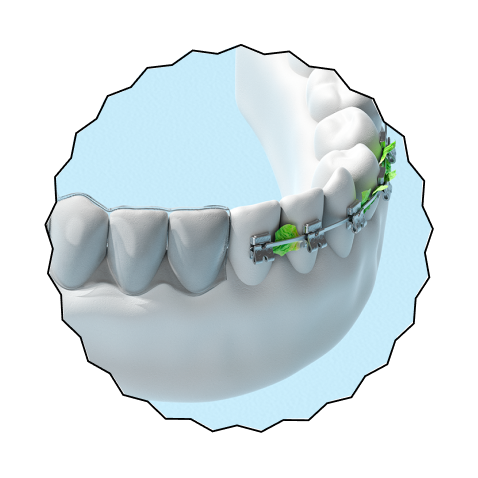
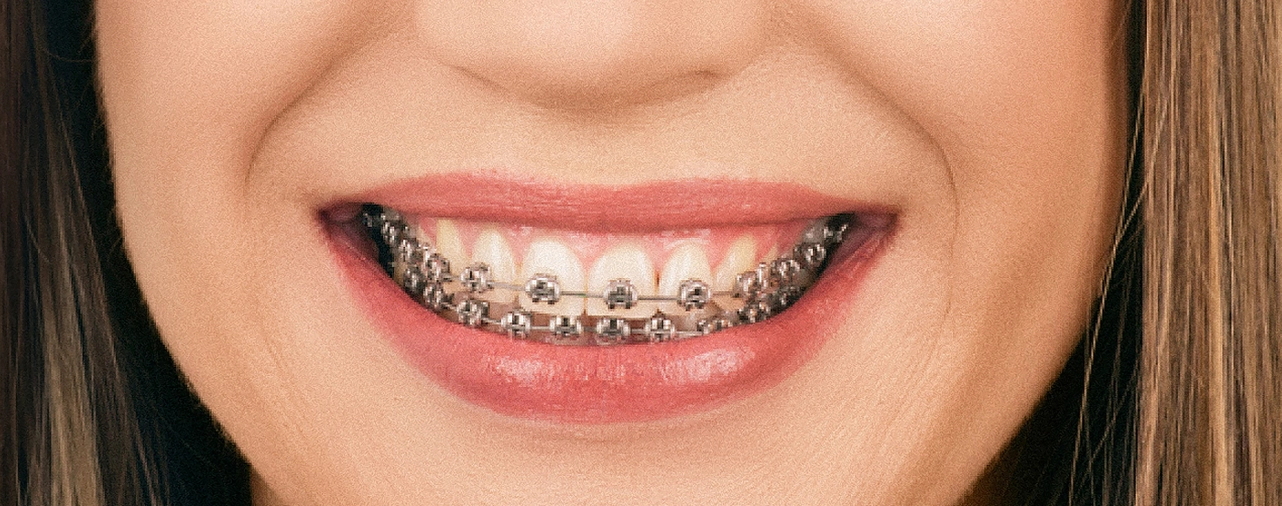
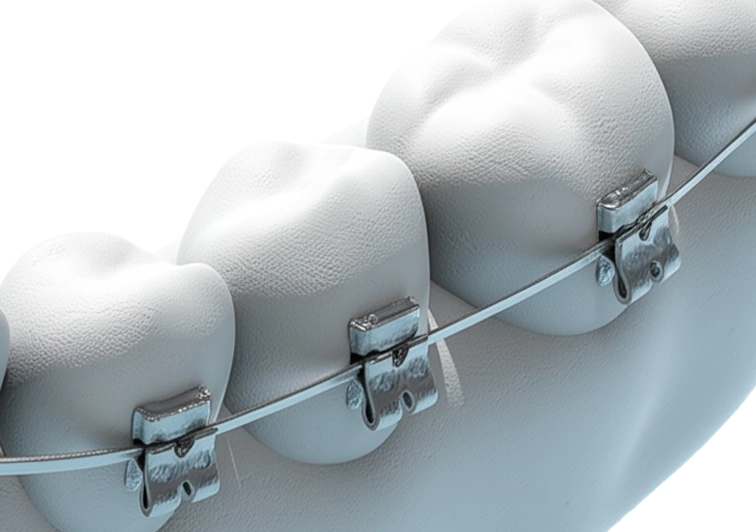
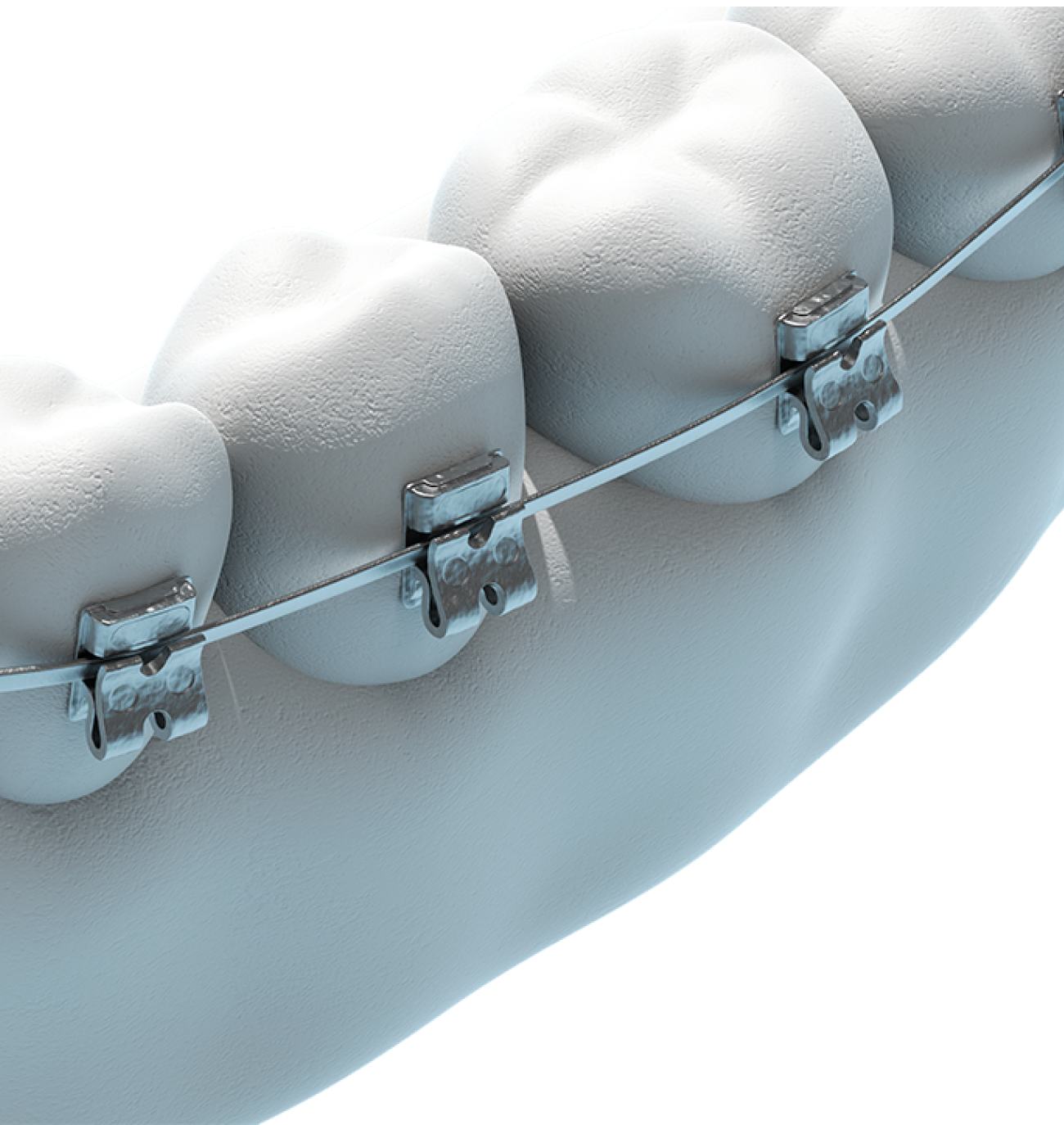
Braces
-
01
Painful
-
02
Cause discomfort and can't be removed for eating, drinking & flossing
-
03
Final treatment duration is difficult to calculate
Aligners
-
01
Transparent and nearly invisible, so can be worn without others noticing
-
02
Fewer clinic visits
-
03
More predictable treatment results
Ordoline Aligners
Braces
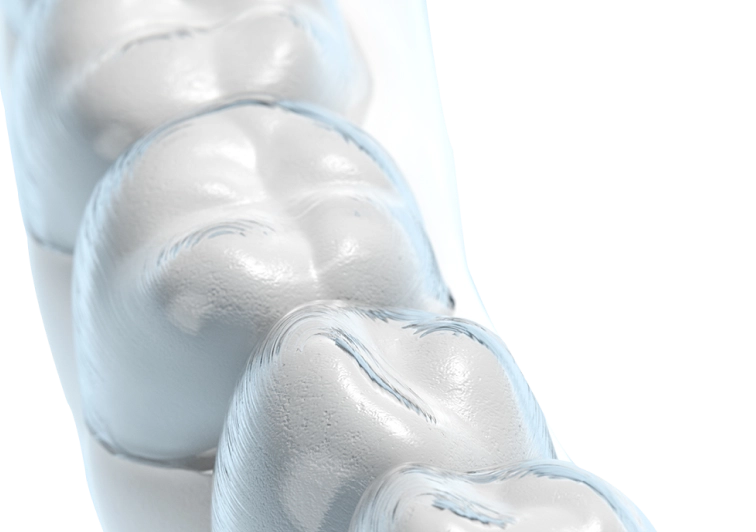
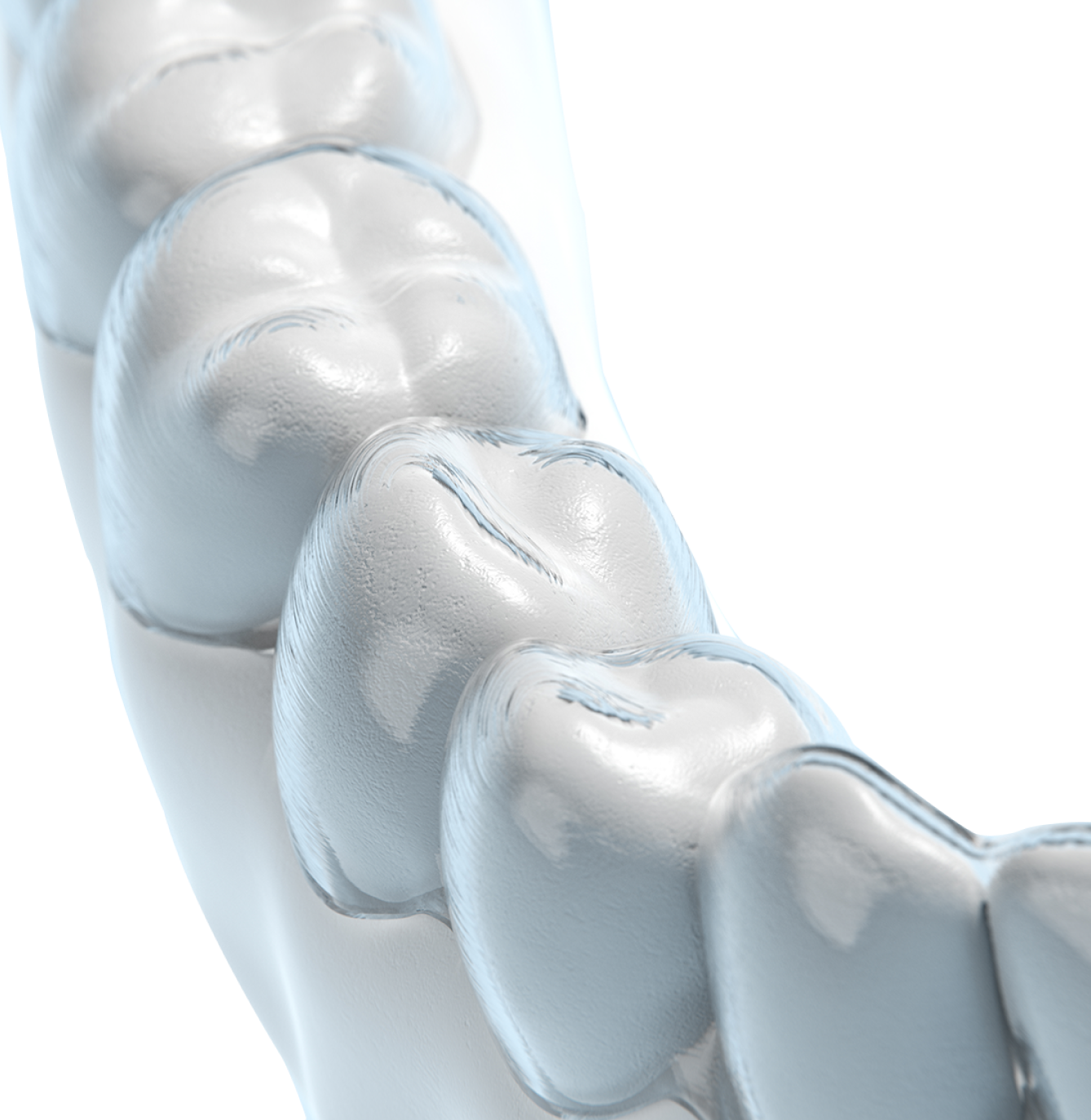
Ordoline is a modern clear aligner system used to straighten teeth in a discreet and comfortable way. The aligners are nearly invisible, removable, and allow patients to maintain normal hygiene and eat without restrictions. For best results, aligners should be worn 22 hours per day.
Traditional braces are fixed metal appliances attached to the outer surface of teeth. They gradually move teeth into alignment using continuous pressure. While effective, they are visible, can cause discomfort, and require more frequent clinic visits.
01
Nearly invisible
(transparent and barely noticeable)
01
Bulky and visible
(metal on teeth)
02
Lower initial discomfort
(only mild tension during the first days of each stage)
02
May cause painful rubbing of cheeks and lips
(possible sores and wounds)
03
Reduced need for teeth extractions
03
Teeth extractions often required
04
Fewer clinic visits
(only every 3-4 months)
04
Regular clinic visits
(monthly check-ups)
05
Low incidence of emergencies
05
Emergency visits
(to fix broken or detached brackets)
06
Convenient and can be removed when needed
06
Cannot be removed
07
No effect on oral hygiene
07
Difficult to brush teeth
(plaque may build up around braces)
08
More predictable treatment results and treatment duration
08
Treatment can be longer than expected
09
No food restrictions
(eat and drink without limitations when aligners are removed)
09
Many food restrictions