Aligners vs Braces
Both aligners and braces are effective tools for orthodontic correction. However, modern clear aligners now offer high treatment predictability, reduced chair time, and a more comfortable patient experience — even in complex cases.
Braces
-
01
More painful
-
02
They cause discomfort and cannot be removed by eating, drinking, and flossing.
-
03
Difficult to calculate the final length of treatment
Aligners
-
01
Invisible, so they can be worn without others noticing
-
02
Start seeing results immediately
-
03
Predictable results and duration of treatment
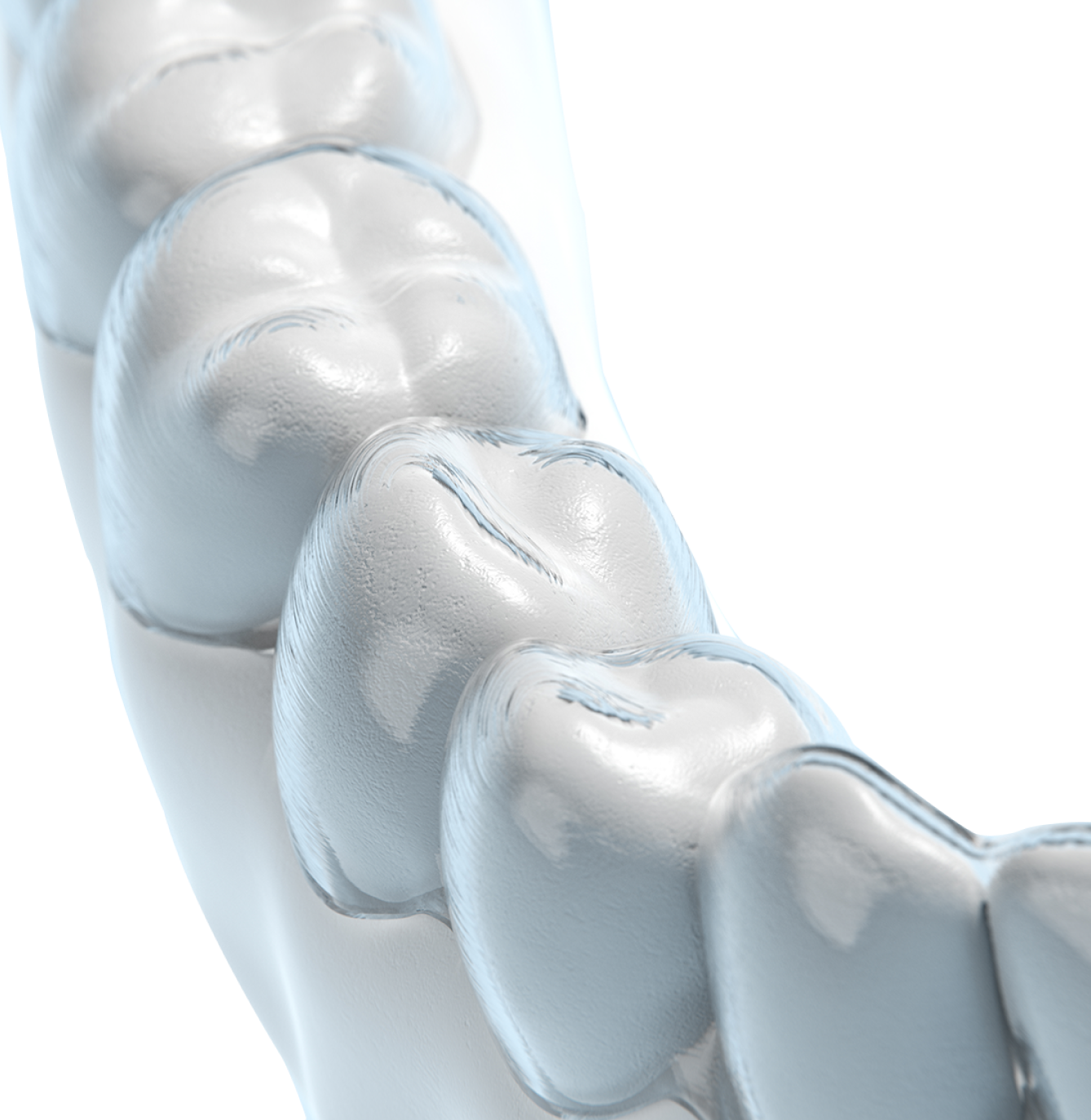
Ordoline braces
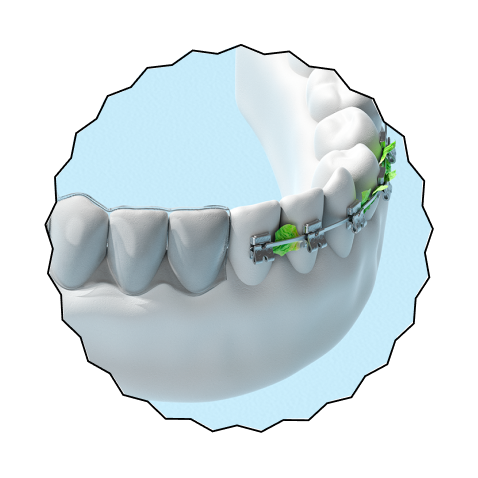
Brace
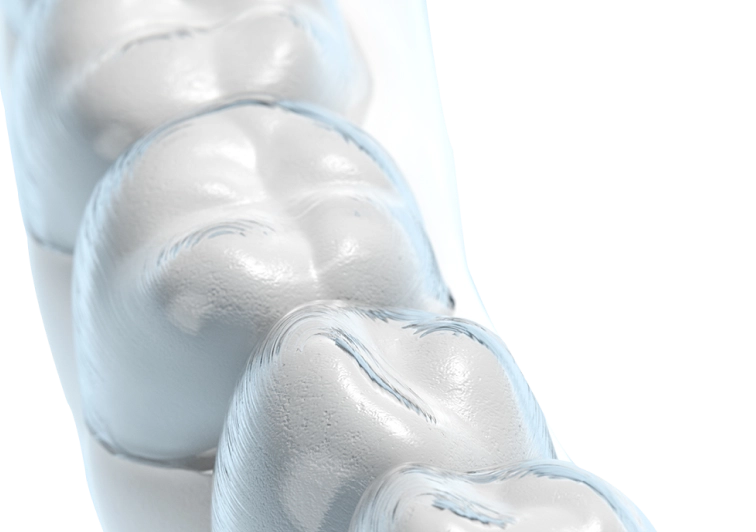
Ordoline is a clinically proven clear aligner system designed for complete orthodontic treatment – from mild to complex malocclusions. It offers predictable results, patient comfort and minimal office time thanks to digitally planned protocols and high-precision materials.
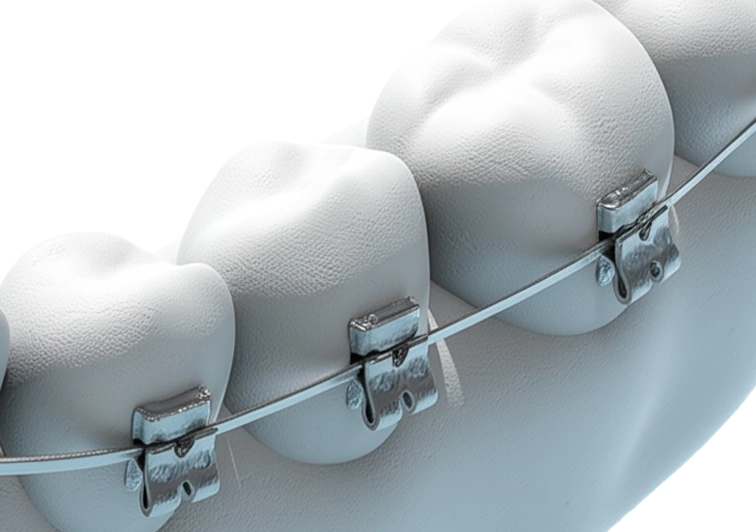
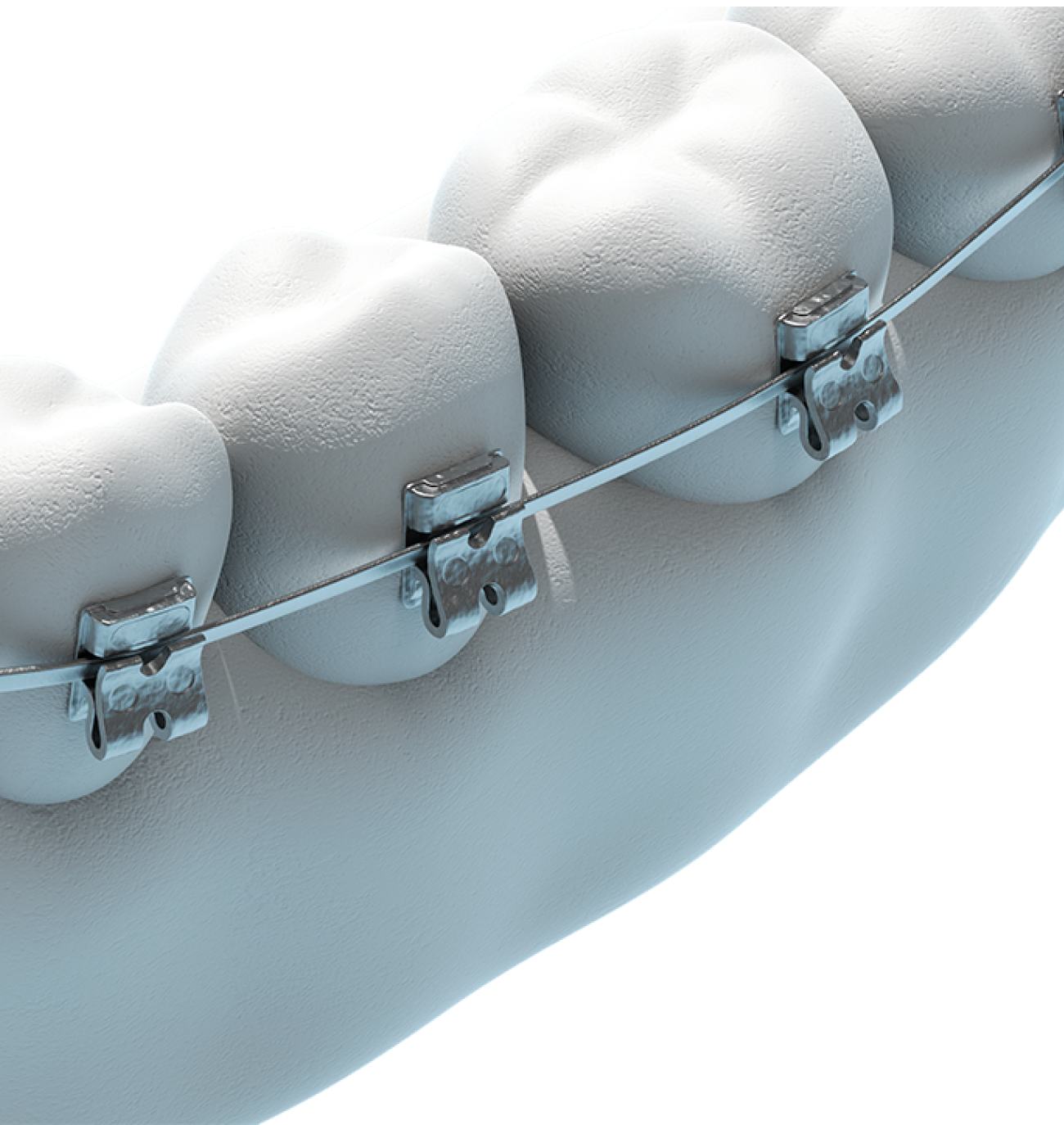
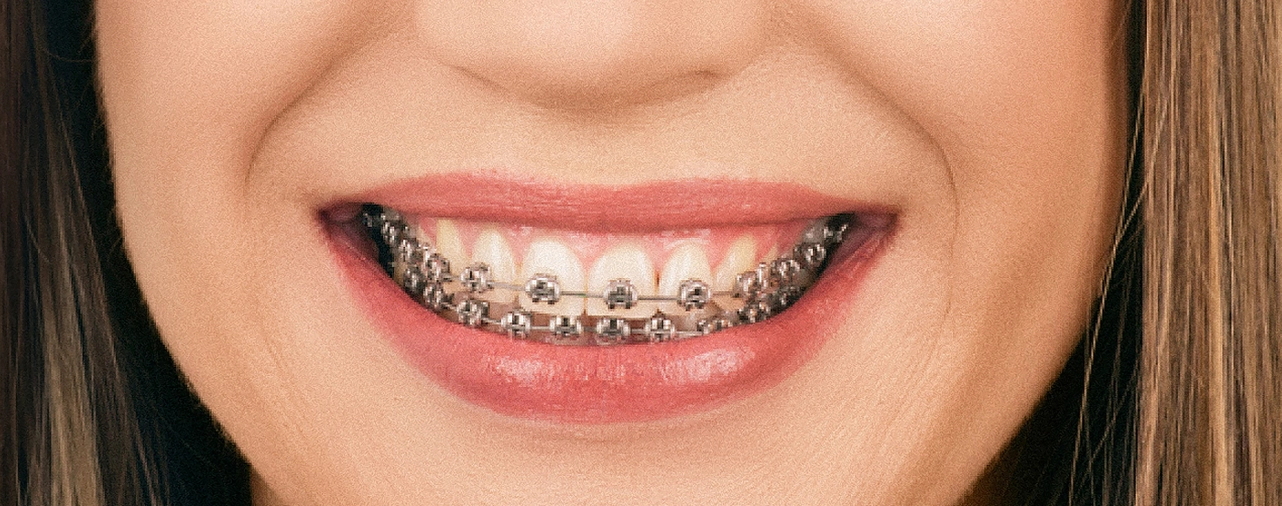
Braces are fixed appliances that apply mechanical force using brackets and wires. They are effective for all types of malocclusion, but they usually require more frequent check-ups, more demanding patient care, and present hygiene and comfort issues.
01
Aesthetic solution
(almost invisible)
01
High visibility
(unaesthetic)
02
Lower initial force, high patient tolerance
02
Soft tissue irritation – common
(possible ulcers and wounds)
03
Tooth extraction is often unavoidable
03
Tooth extraction is often indicated
04
Fewer appointments for patients
(every 3–4 months)
04
Regular clinic visits
(almost every month)
05
Almost no emergencies
05
Emergency visits are often necessary
(to repair broken or loose brackets)
06
Fully removable by the patient
06
Cannot be deleted
07
No disruption of oral hygiene
07
Difficulty brushing teeth
(plaque can build up around braces)
08
More predictable treatment outcomes and duration
08
Less predictable treatment duration
09
No food restrictions
(removed during meals)
09
Many food restrictions



Conclusion

While braces remain an effective orthodontic solution, their visibility and comfort limitations can impact treatment acceptance across all age groups.
Clear braces offer a clinically proven alternative with high patient acceptance, reduced chair time, and predictable results—suitable for children, adolescents, and adults. With proper case selection and adherence to instructions, braces enable complete orthodontic care with increased efficiency.
Get more information
To get more information about working with Ordoline and answers to your questions, get in touch.
Contact us